

Dermaplane Gallery
$$MultiPurposeText$$
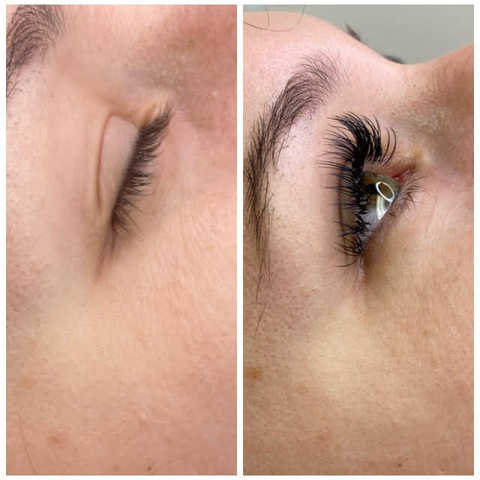
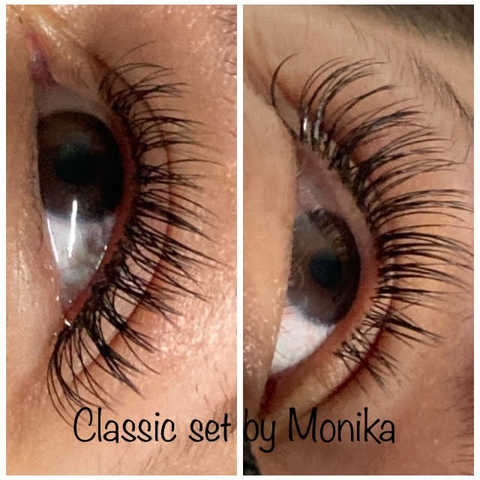
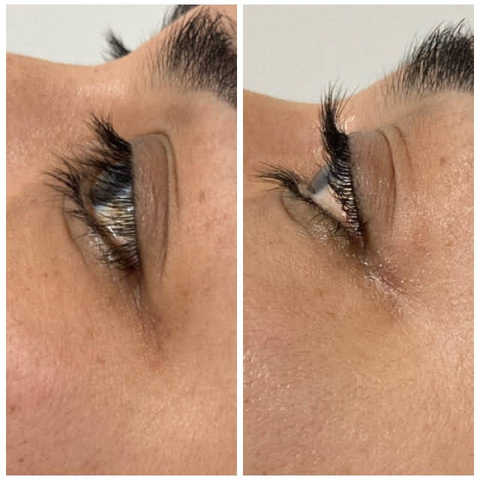
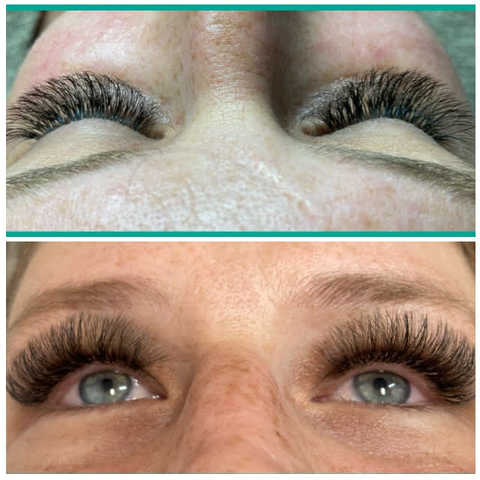
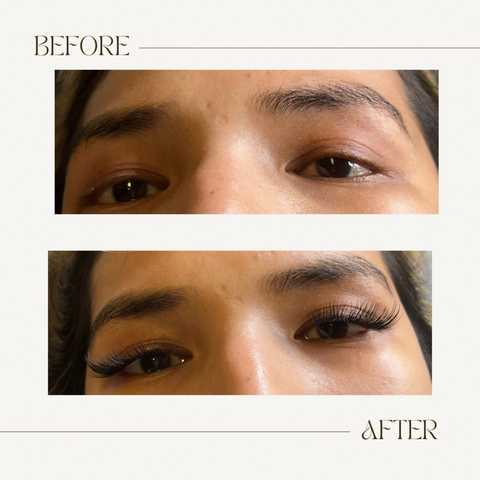
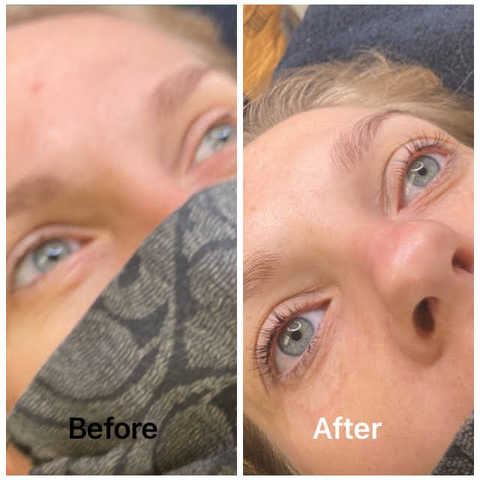
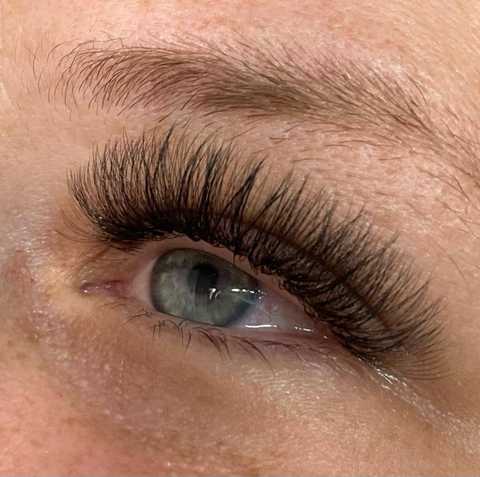
See examples of our Dermaplane work and results.




What Our Clients Say
$$MultiPurposeText$$
Read testimonials from our satisfied customers

Took my Bf in and she really helped him alot. We will be back

Amazing!! I got a prenatal massage and was so happy with the care I received from Yoleidis...more

Lana did a great job. I will be back, hopefully.

10/10 experience. I felt extremely comfortable the moment I walked in the door. I was gree...more

Highly recommend Holly for your massage. Kind, and very good at massage ! I’m so relaxed...more

Katelyn did a really good job. I did the 90 minute therapeutic massage and I honestly feel...more

Frequently Asked Questions
Get answers to common questions about Dermaplane.
Dermaplane is generally safe when performed by a trained esthetician using sterile blades. We evaluate sensitivity beforehand; it’s not advised for open wounds or severe inflammatory conditions. A consultation ensures suitability and minimizes irritation risk.
As an add-on, Dermaplane typically takes about 10 to 20 minutes depending on skin condition and treatment area. It’s seamlessly integrated into your facial for efficient exfoliation and immediate results without adding significant time.
No—Dermaplane removes vellus hair at the surface; it does not change hair follicle structure. Hair may feel slightly blunt at first but will regrow at its normal texture and rate without becoming thicker or darker.
You can apply gentle hydrating products immediately to capitalize on enhanced absorption. Avoid strong actives like retinoids or chemical exfoliants for 48–72 hours and always use SPF during the healing window.
Dermaplane is not recommended for active inflammatory acne, open lesions, or severe rosacea. We’ll assess your skin and suggest alternative treatments or schedule Dermaplane once skin is calm and cleared.
For most clients, scheduling Dermaplane every 4 to 6 weeks aligns with the skin’s natural renewal cycle. Frequency can be customized based on skin goals, sensitivity, and your esthetician’s recommendations.