

Graston (Scraping) Gallery
$$MultiPurposeText$$
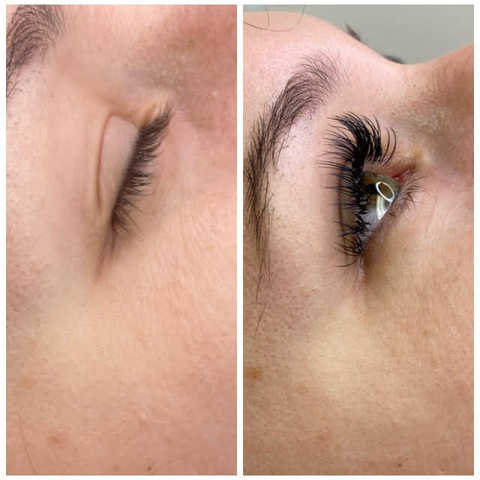
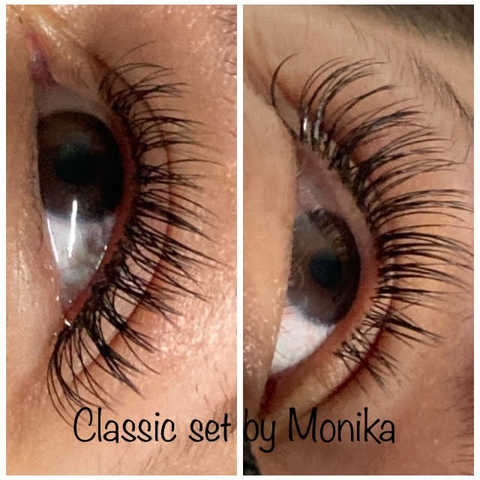
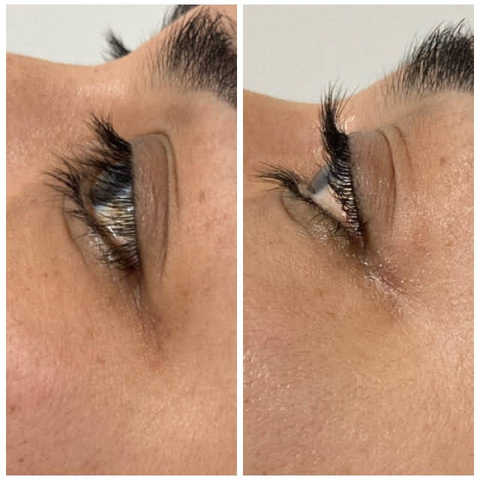
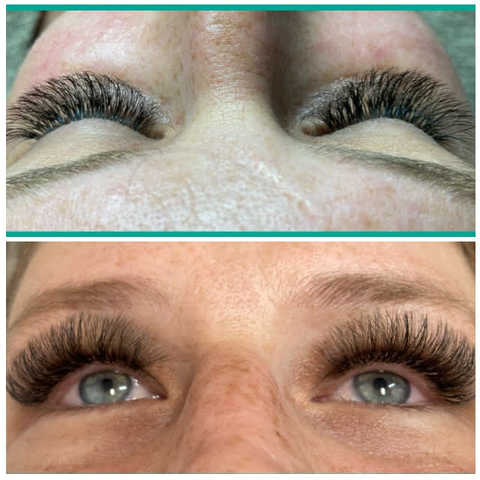
See examples of our Graston (Scraping) work and results.




What Our Clients Say
$$MultiPurposeText$$
Read testimonials from our satisfied customers

Amazing!! I got a prenatal massage and was so happy with the care I received from Yoleidis...more

Highly recommend Holly for your massage. Kind, and very good at massage ! I’m so relaxed...more

Katelyn did a really good job. I did the 90 minute therapeutic massage and I honestly feel...more

Katelyn was WONDERFUL! She was kind, attentive, took her time, and made me feel so much be...more

On Monday I had the most amazing massage ever with Katelyn. I had been in a lot of pain wi...more

Essentials always provides an accommodating and relaxing experience. No matter which masse...more

Frequently Asked Questions
Get answers to common questions about Graston (Scraping).
During a Graston session you'll feel targeted pressure and brief discomfort as instruments detect adhesions. Mild redness or bruising may appear. Sessions are typically a short add-on; your therapist will explain aftercare like ice, stretching, and hydration.
Ideal candidates include clients with soft tissue restrictions, chronic pain, post-surgical adhesions, tendonitis, or sports injuries. It's offered as an add-on to massage after screening for contraindications like open wounds or certain vascular conditions.
Results vary by condition; some clients notice improvement after one session, while 3–6 weekly sessions often yield lasting change. Your therapist will create a plan and combine Graston with therapeutic exercises for best outcomes.
Common side effects include temporary redness, mild bruising, tenderness, and localized soreness for 24–72 hours, which indicate tissue remodeling. Serious complications are rare; report excessive pain, numbness, or swelling to your therapist immediately.
Yes. Graston is commonly provided as an add-on during therapeutic massages to enhance outcomes. Combining treatments allows targeted soft tissue work followed by relaxation or rehab techniques, with pressure and timing adjusted for comfort.
Graston can be effective for post-surgical adhesions, but timing is important. Therapy usually begins once wounds have fully healed and your surgeon approves, often several weeks to months post-op. We coordinate care and progress gradually.
Read more about Graston (Scraping)
$$MultiPurposeText$$
Explore our latest insights and guides on Graston (Scraping).
