

Neuromuscular - 60 Mins Gallery
$$MultiPurposeText$$
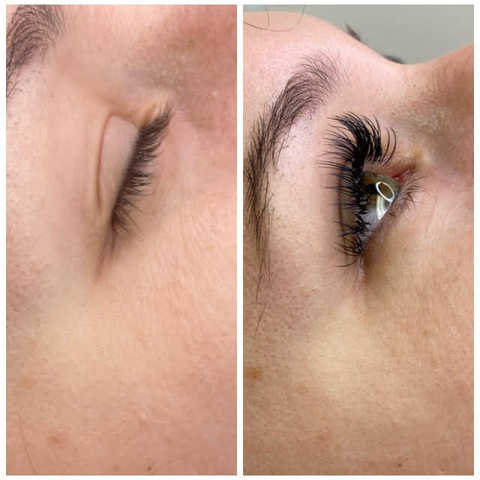
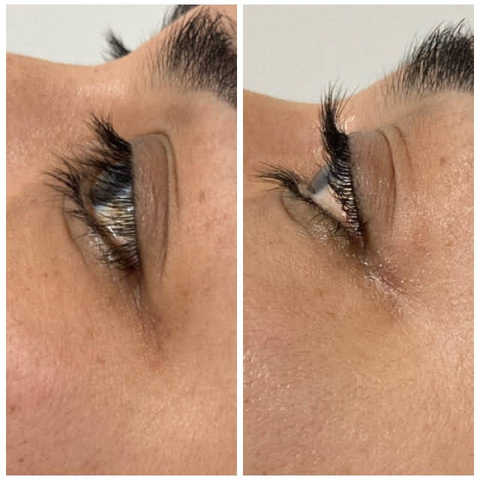
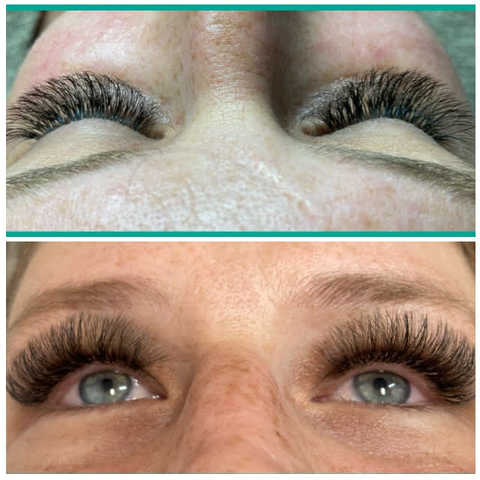
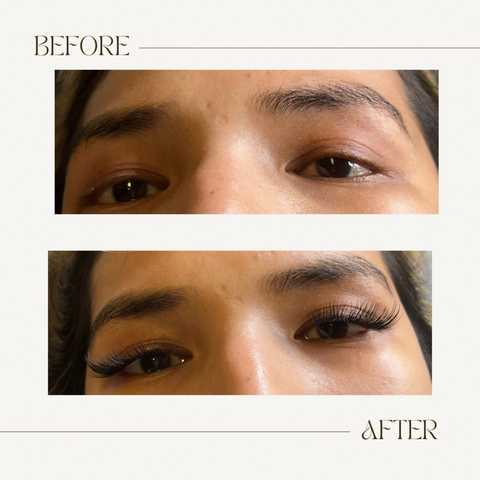
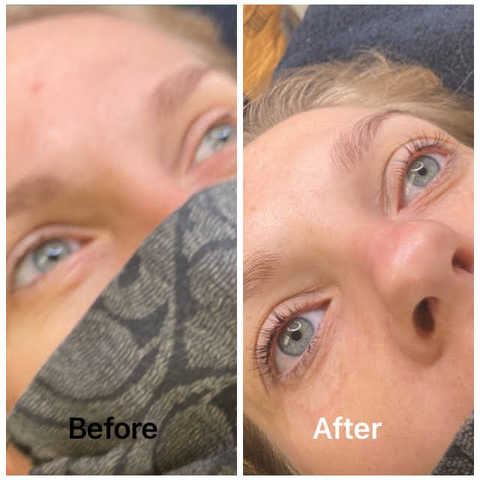
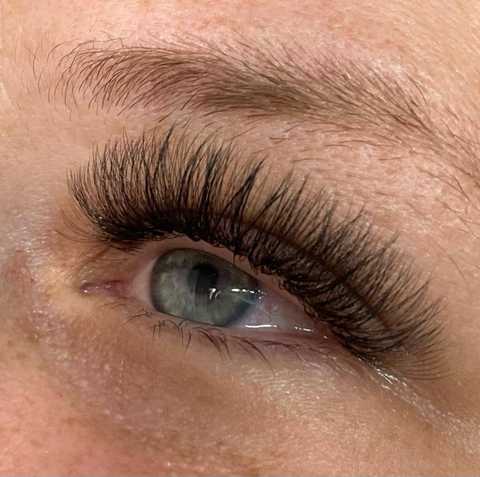
See examples of our Neuromuscular - 60 Mins work and results.





What Our Clients Say
$$MultiPurposeText$$
Read testimonials from our satisfied customers

Amazing!! I got a prenatal massage and was so happy with the care I received from Yoleidis...more

Highly recommend Holly for your massage. Kind, and very good at massage ! I’m so relaxed...more

Katelyn did a really good job. I did the 90 minute therapeutic massage and I honestly feel...more

Katelyn was WONDERFUL! She was kind, attentive, took her time, and made me feel so much be...more

On Monday I had the most amazing massage ever with Katelyn. I had been in a lot of pain wi...more

Essentials always provides an accommodating and relaxing experience. No matter which masse...more

Frequently Asked Questions
Get answers to common questions about Neuromuscular - 60 Mins.
Most clients experience firm, focused pressure and occasional brief discomfort as trigger points release. Therapists modulate intensity for comfort. Mild soreness or increased sensitivity can last 24–48 hours; drink water, rest, and apply heat or ice as recommended to ease recovery.
Wear comfortable, loose clothing and hydrate well before arriving. Avoid heavy meals directly beforehand. Bring any relevant medical history, medications, or imaging. Arrive ten minutes early to complete intake paperwork so the therapist can assess your needs and begin promptly.
A single session can offer relief, but many conditions benefit from a series. Acute issues may need a few visits; chronic pain or postural dysfunction often requires ongoing sessions plus home exercises. Your therapist will recommend a personalized plan and reassess progress regularly.
Yes—when appropriate. Neuromuscular therapy often helps chronic muscle pain, tension, and nerve-related complaints. Recent injuries can benefit if evaluated and cleared by the therapist. Acute fractures, infections, or unstable medical conditions require postponement until medically cleared.
Disclose any recent surgeries, implanted devices, blood thinners, pregnancy, cancer, infections, or deep vein thrombosis. These and other medical conditions may modify or contraindicate treatment. Your therapist will review your history to ensure safety and adapt techniques if needed.
You may feel immediate relief, increased mobility, or temporary fatigue and mild soreness. Hydrate, perform recommended stretches, and rest. Benefits often improve over the next 48–72 hours. Contact us if pain worsens, numbness develops, or unexpected reactions occur.
Read more about Neuromuscular - 60 Mins
$$MultiPurposeText$$
Explore our latest insights and guides on Neuromuscular - 60 Mins.
